 By Hina
Whether you're building a new home or renovating, kitchen design is the stage where most people get confused. And why wouldn't they? The kitchen is no longer just a place for cooking; it has become the center of family gatherings.
When building a home, people often construct their kitchen layout without proper planning, and later regret that the cabinets are insufficient, the lighting is poor, or the space isn't functional enough.
If you're among those who want complete information about modern kitchen designs, this blog is just for you. I've prepared this detailed guide keeping in mind the kitchen type images available on your site.
Here we'll discuss five main layouts, their advantages, disadvantages, and those small tips that will make your kitchen both modern and workable.
1. L-Shaped Kitchen: The Backbone of Small and Medium Homes
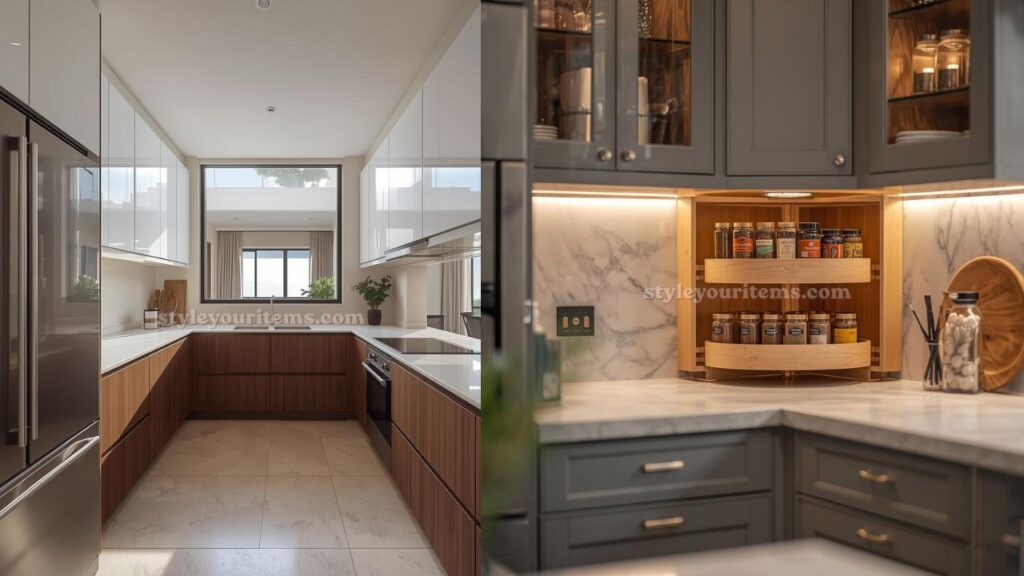
L-shaped kitchens are the most popular worldwide. In this design, two walls meet to form an L shape. This design not only takes up less space but also utilizes corners more effectively.
Who is this layout best for?
- Small and medium-sized homes (100 to 150 square foot kitchens)
- Homes with open floor plans
- People who want to include a dining area in their kitchen
What precautions should you take?
In an L-shaped kitchen, never make both arms longer than 15 feet; otherwise, the corner space will be wasted. You can bring dead space to life by installing a lazy Susan or magic corner unit.
2. U-Shaped Kitchen: The Powerhouse Design for Large Families
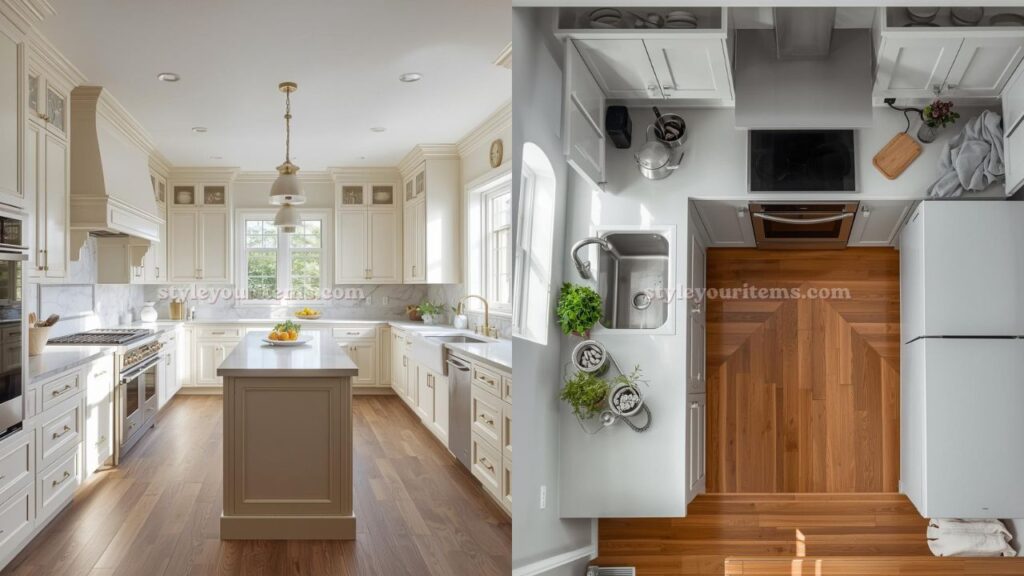
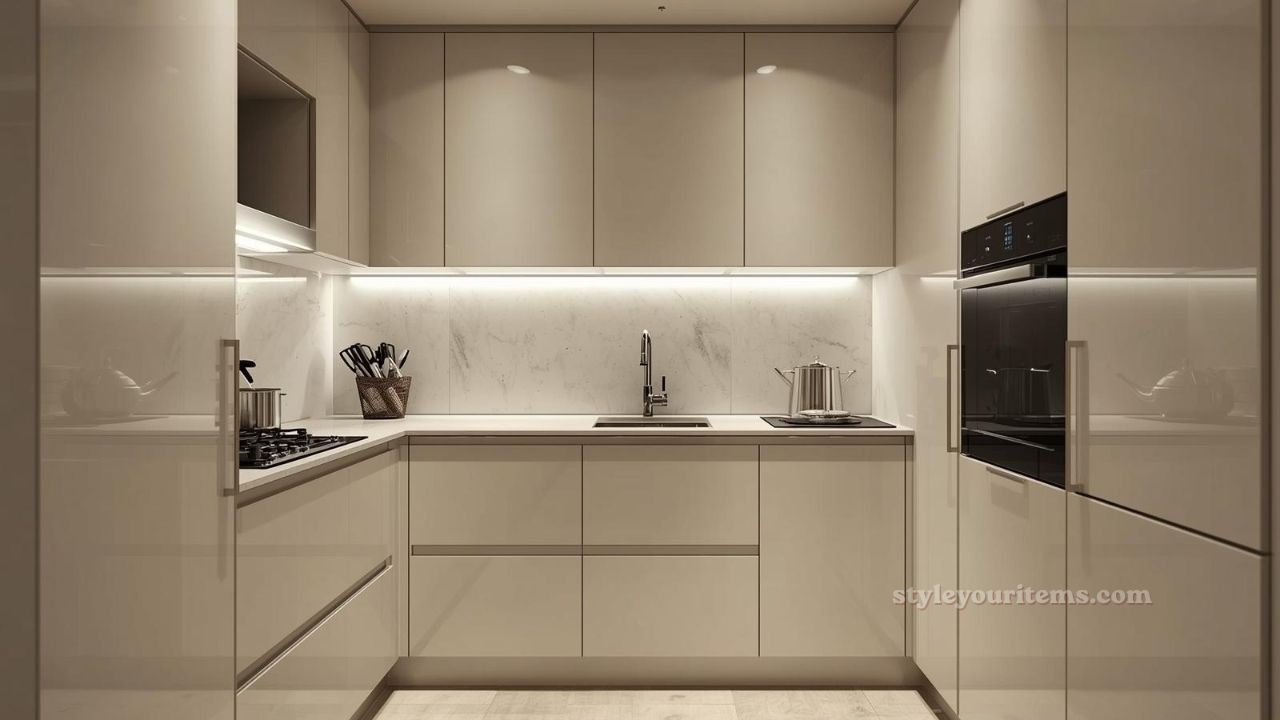
U-shaped modular kitchen means a kitchen built on three walls. It's also called a horseshoe kitchen. If the cook in your home doesn't like running from one place to another, this is the option.
The Magic of U-Shaped Kitchen:
This kitchen makes the work triangle (distance between sink, fridge, and stove) very efficient. Working becomes easier because everything is within arm's reach.
Challenges:
- It requires at least 200 square feet of space.
- If not planned properly, this kitchen can feel like a "closed box."
Solution: Install open shelving instead of upper cabinets so walls don't feel heavy. Use light colors, like white or cream, so the space appears spacious.
3. Parallel Kitchen / Galley Kitchen: The Best Solution for Narrow Spaces
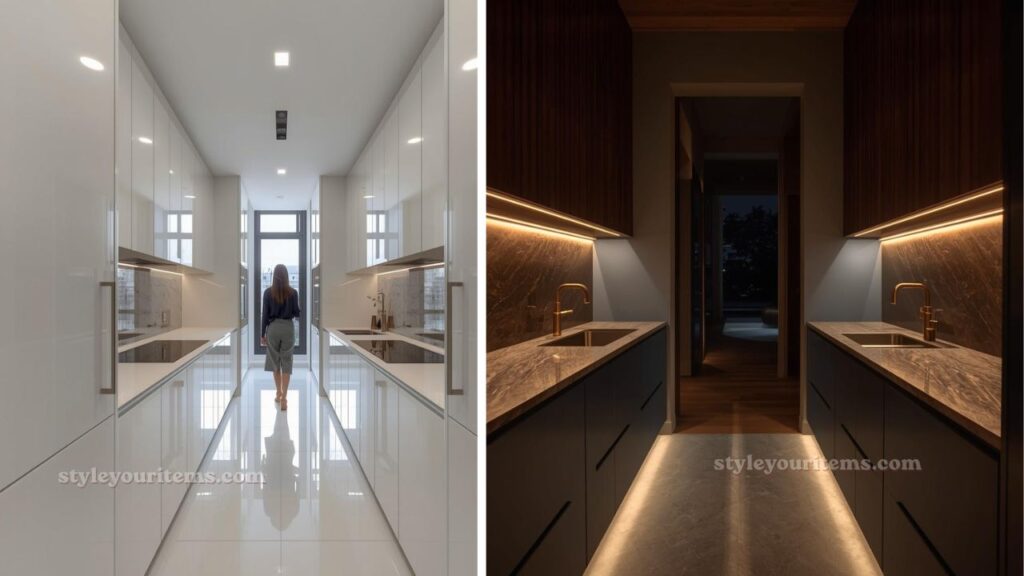
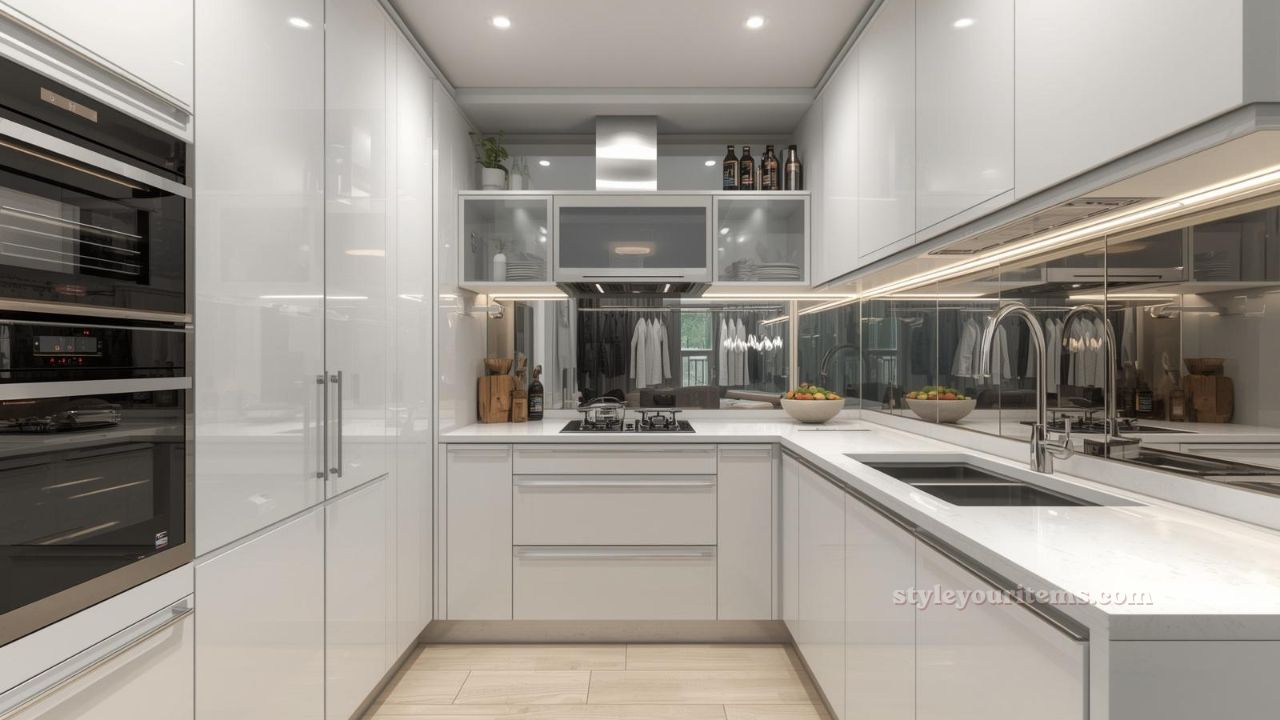
Parallel kitchens are also called galley kitchen designs. In this layout, cabinets are installed on two parallel walls with a walkway in between.
Where does it work best?
In very narrow spaces, this layout is nothing short of a gift. You can organize work by creating a dry area (cabinets) on one side and a wet area (sink and stove) on the other.
Use of Colors:
Since this layout can feel somewhat enclosed, definitely use light colors. White, off-white, or light gray tones push walls back and make the space appear larger.
Professional Tip:
Don't forget to install under-cabinet lighting in this layout. Shadows form between two parallel walls, which artificial light eliminates.
4. One-Wall Kitchen / Straight Kitchen: The Most Compact Solution
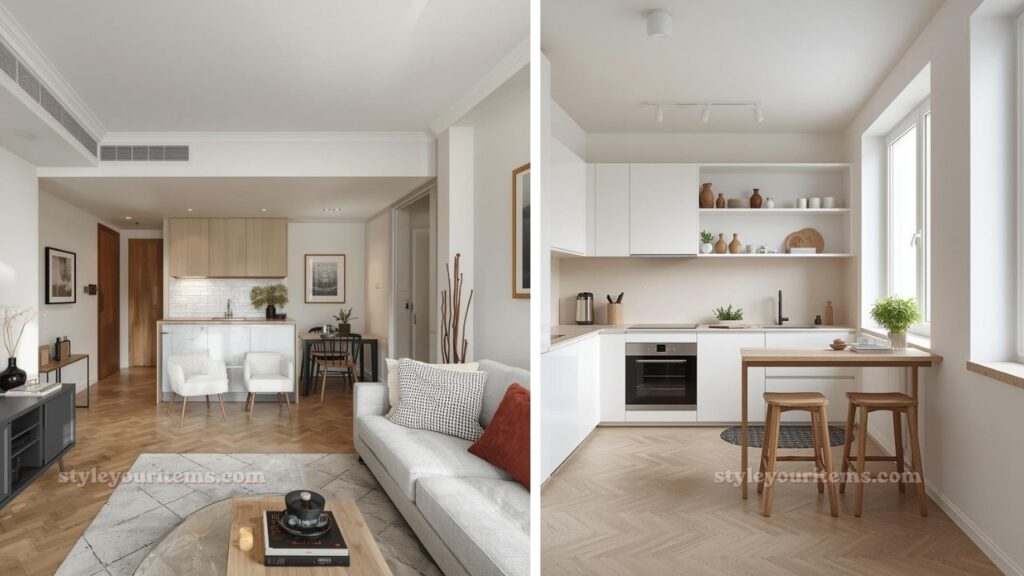
One-wall kitchens are the simplest design. The entire kitchen stands against a single wall.
When to Consider This Option?
- In studio apartments
- In small homes where the kitchen is just a formality
- In rental properties
Limitations:
There's less space for dishwashers or large refrigerators. If you cook big meals on weekends, counter space may fall short.
Modern Touch:
If space is somewhat open, you can make this layout more functional by adding a small kitchen island.
5. Island Kitchen: The Signature of Modern Homes
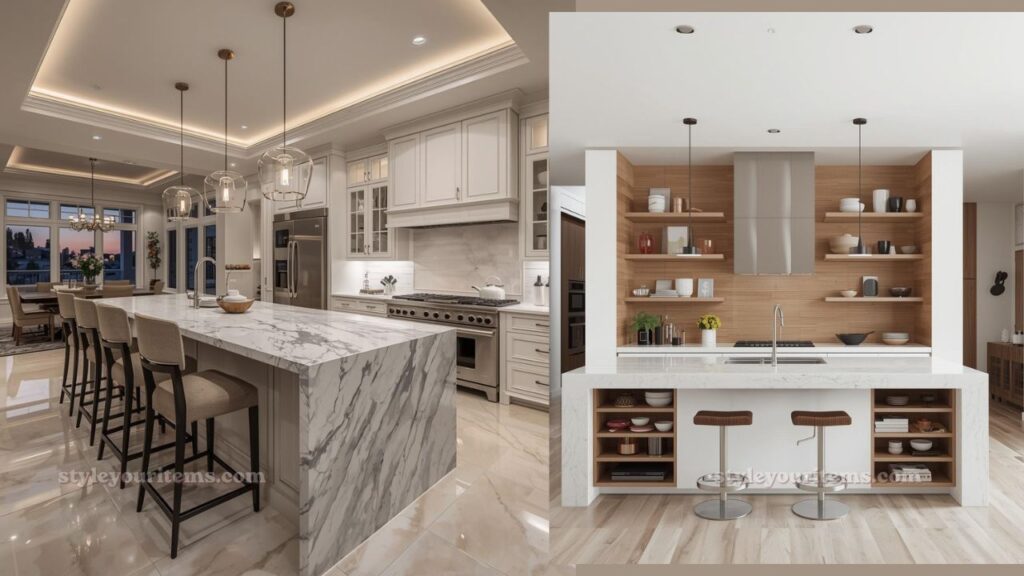
Island kitchens are the biggest desire nowadays. Imagine a separate platform in the middle of the kitchen where you can chop vegetables, have breakfast, and chat with friends.
The Real Deal:
This design is only for large homes. You need at least 300 square feet of kitchen to truly enjoy an island. Otherwise, the island will become an obstacle in the path, not a convenience.
What to Put in the Island?
- Sink (like modern social sink designs)
- Food preparation area
- Storage in cabinets below
Trend Alert 2026:
Recent trends include super tall islands (high islands) with open shelving below. These not only increase storage but also keep the kitchen feeling open.
5 Golden Rules for Small Kitchens (Small Kitchen Ideas)
Most people are looking for small kitchen designs. If your kitchen is less than 100 square feet, these rules are for you:
- Vertical Storage: Utilize walls. Install cabinets up to the ceiling so every inch is used.
- Handleless Cabinets: Modern handleless cabinets not only look beautiful but also reduce the risk of bumping into them in small spaces.
- Color Drenching: Use a single color (like mint green or light pink) on walls and cabinets. This makes the room look bigger.
- Use of Mirrors: If possible, install a mirror on the backsplash. It reflects light and creates depth.
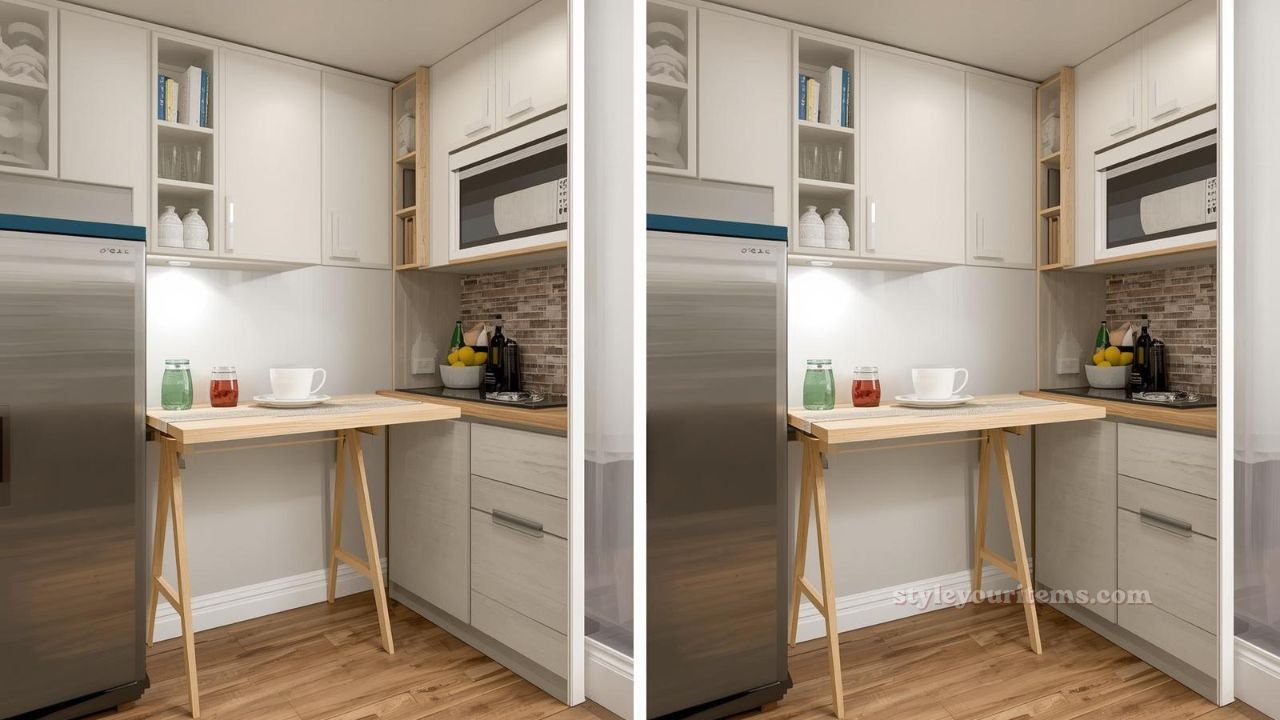
- Foldable Furniture: Install foldable tables or pull-out counters that tuck away against the wall when not needed.
A Fresh New Look for Your Kitchen: 2026 Trends
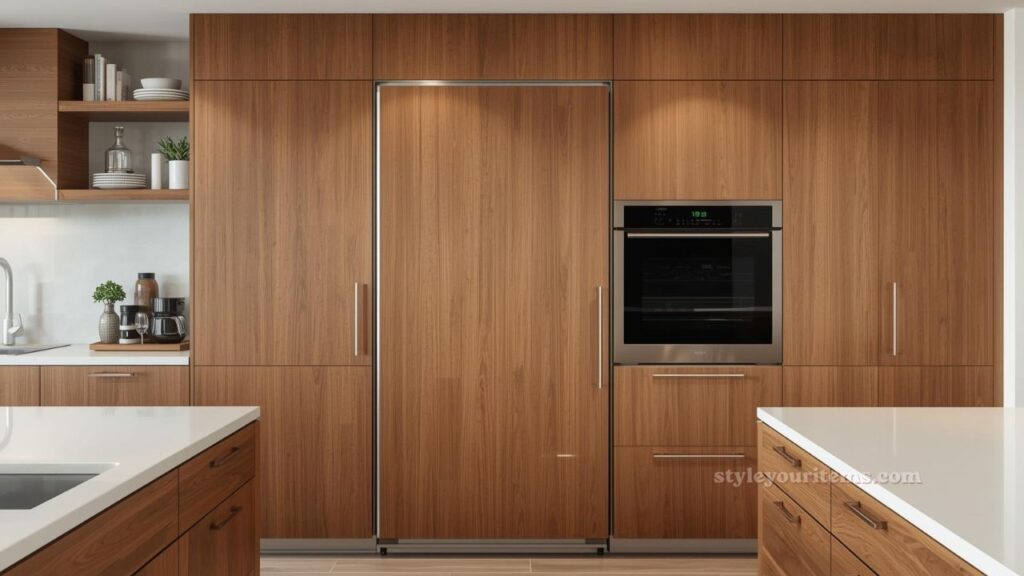
If you want to give your kitchen a new look with just paint and minor repairs, consider these modern kitchen trends:
- Patchwork Stone: Creating wall designs using pieces of different stones is very popular now.
- Furniture-Forward Appliances: Refrigerators and ovens no longer look like machines; they appear as part of the furniture. A fridge with wood cladding elevates kitchen interior design.
- Color-Drenched Pulls: Painting cabinet handles the same color as the cabinets. This creates a unique look.
Kitchen Storage: Cabinets Alone Are Not Enough
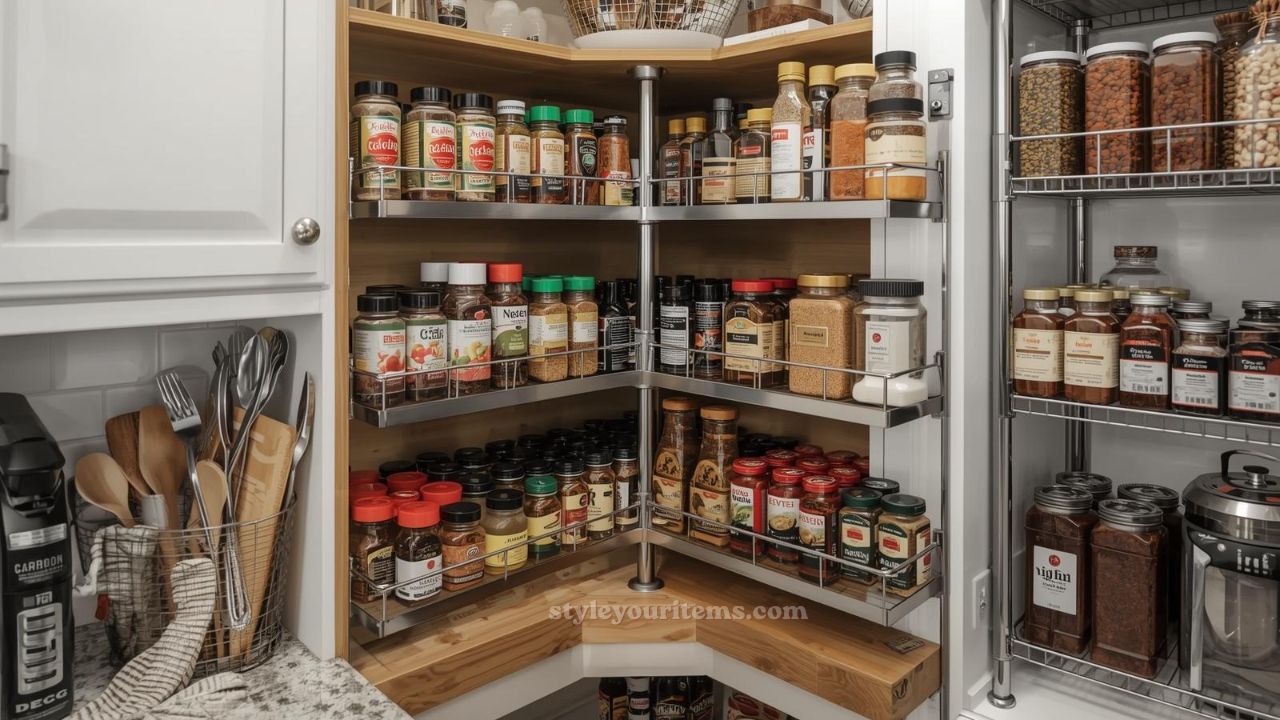
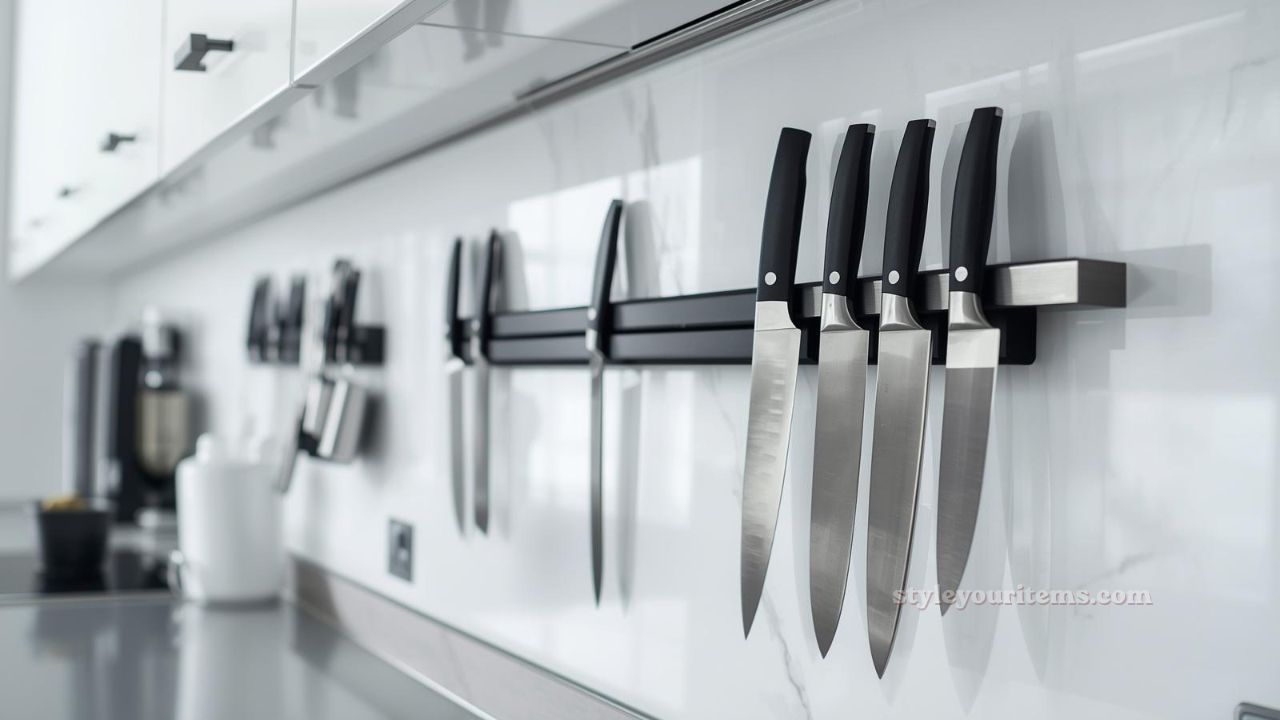
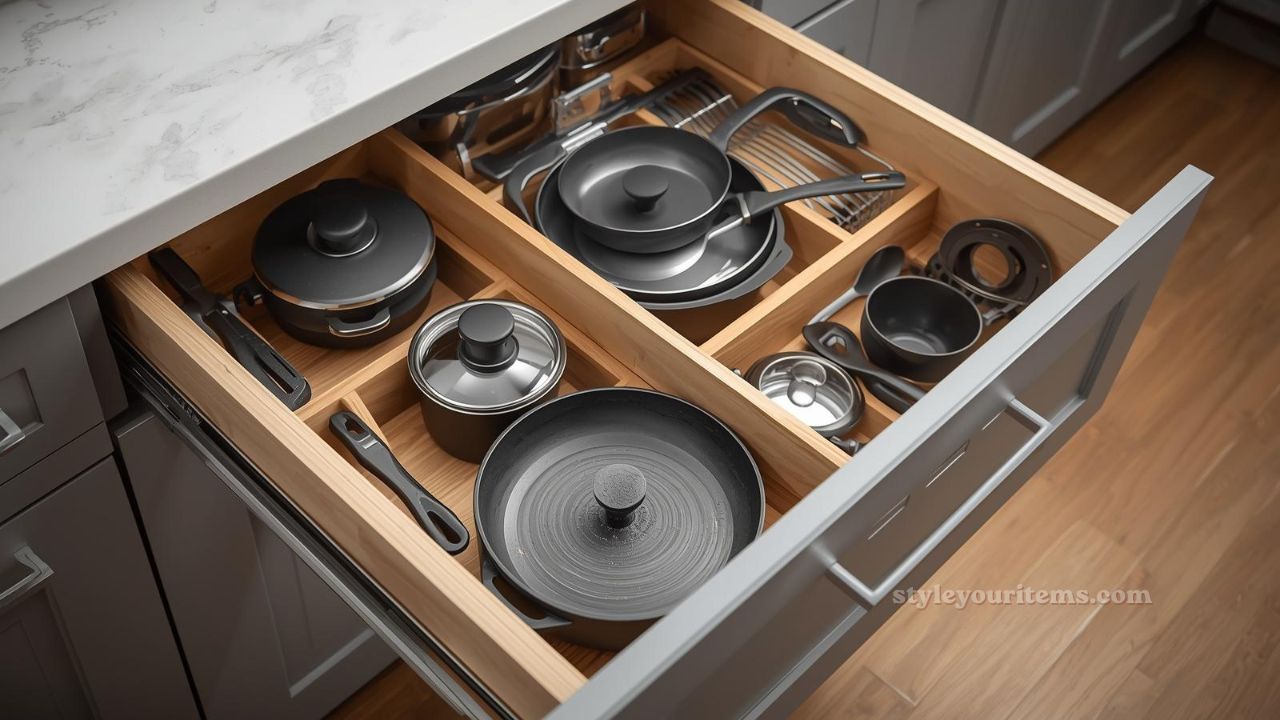
Often, people ignore kitchen storage ideas. Remember, good design is one that is both beautiful to look at and provides space to keep things.
- Pull-Out Drawers: Deep drawers are better than simple cabinets. You won't have to bend down to take out utensils.
- Magnetic Strips: Install a magnetic strip on the wall for knives. The countertop will remain clear.
- Corner Racks: Install round racks in corners for utensils and spices.
Conclusion: Your Kitchen, Your Way
No single design is "best." L-shaped is good, U-shaped is good, and an island is a dream. The real thing is your need.
This same diversity is seen in all the kitchen design images available online. Some designs are for small apartments, some for large homes.
My advice is to first write down your needs: How many people will cook? How many things need to be stored? Then choose from these images the design that makes your daily work easier.
Frequently Asked Questions (FAQs)
What is the average cost of building a kitchen?
Which is better, U-shaped or L-shaped?
Can an open kitchen work?
What should the flooring be like in a small kitchen?
How can I design a kitchen without cabinets?
How do I bring natural light into the kitchen?
Note: All images used in this blog are for illustrative purposes. If you need more guidance, feel free to ask in the comments.